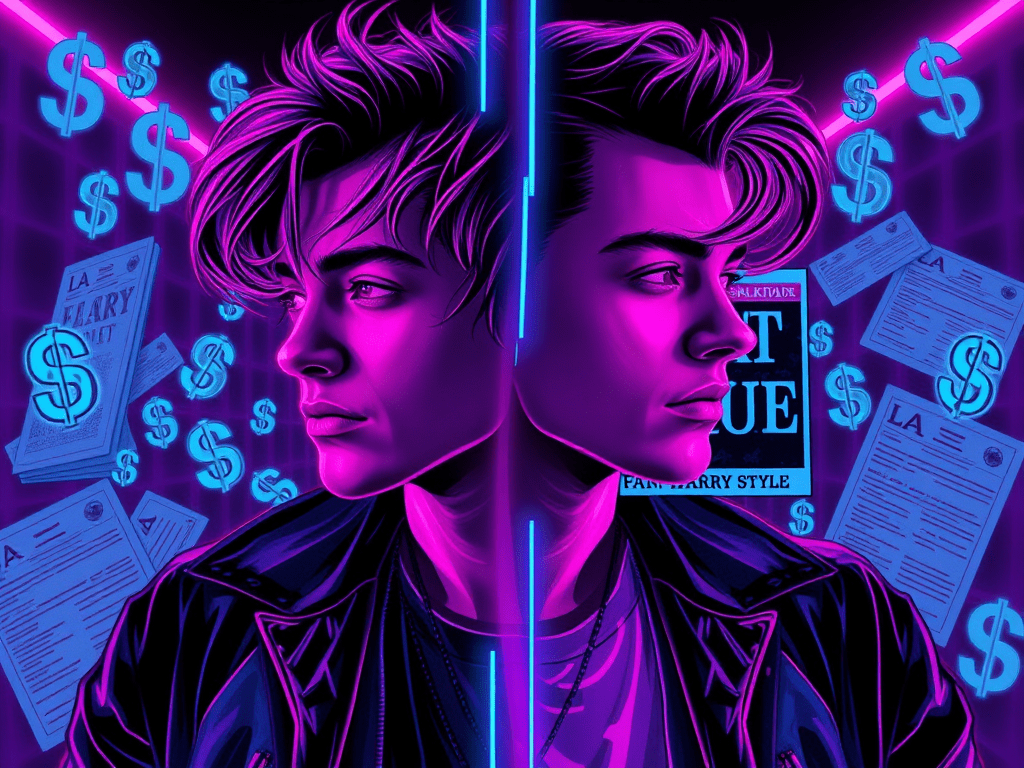
Fan fiction is a dynamic and evolving form of creative expression. It allows fans to reinterpret and imagine the narratives and characters they love. However, it also exists in a legal gray area where homage can easily cross into infringement. Copyright law, fair use, and the First Amendment come together to form a complex legal landscape. This is especially true for fan fiction creators when real-life celebrities and monetization are involved.
A notable example of these complexities is Anna Todd’s After. It began as a One Direction fan fiction centered around Harry Styles. It ultimately became a bestselling novel and film franchise. The story’s rise to fame shows potential legal issues when portraying real-life celebrities in fictional narratives. These issues arise especially when portrayals are hypersexualized. They can be defamatory or otherwise harmful to their public image.
Despite the First Amendment’s protections for creative expression, fan fiction that includes real people can face serious legal challenges. This occurs under copyright and right of publicity laws. The fair use doctrine allows for limited use of copyrighted content for purposes like criticism, commentary, and parody. However, these protections become less certain when fan fiction is monetized. They also become less certain when fan fiction involves real-life figures.
Platforms like Wattpad and Tumblr host thriving fan fiction communities. They run under the assumption that user-generated content is protected under fair use. Nonetheless, as fan fiction evolves from casual storytelling to commercially successful works, the risk of infringement increases. In After, Harry Styles’ likeness is used without his consent. This raises critical questions about the boundaries of fair use. It also questions the right of publicity.
The monetization of fan fiction is a particularly contentious area. Fan-created content is typically harmless when it remains free. Yet, creators may face legal repercussions once profit is involved. This happens because of unauthorized use of a celebrity’s persona. Todd’s adaptation of After into a profitable franchise set a precedent for fan fiction monetization. It also exposed the legal vulnerabilities linked to profiting from real-life likenesses.
To address these challenges, a three-tiered guideline is proposed to delineate the boundaries of fan fiction more clearly:
- Non-Commercial Fan Fiction: Content created purely for entertainment without monetization be protected under fair use. Nonetheless, it must not defame or misrepresent real individuals.
- Commercial Fan Fiction: Works that generate income through sales, ads, or adaptations should include clear disclaimers. These disclaimers must state that they are fictional. They do not represent real-life actions or personalities of the individuals depicted.
- Real-Life Portrayals: Fan fiction that uses the likeness of real people must undergo a thorough legal review. This review helps to avoid defamation. It also prevents right of publicity violations and privacy invasions.
The evolving landscape of fan fiction underscores the need for clearer guidelines. These guidelines should protect creative expression and the rights of real-life individuals. By establishing more comprehensive policies, creators can continue to explore transformative storytelling while minimizing the risk of legal disputes.
 COMM4310
Leave a comment