Blog

  • Hello World!

    Hello World!

    Welcome to my very first portfolio post! This portfolio is dedicated to my COMM 4310 class, where I’ll be sharing my projects, insights, and experiences.

    A little about me:

    -My name is JaeLynn Mozingo-Rhodes
    – I’m 25 years old and from Killeen, Texas.
    – I’m currently a senior at Lamar University, set to graduate with a Bachelor’s degree in Communications.

    Stay tuned for more updates and feel free to connect! 🚀 #COMM4310 #LamarUniversity #Communications #Portfolio #Introduction

  • Navigating Legal Issues in Fan Fiction; Legal Policy Paper

    Navigating Legal Issues in Fan Fiction; Legal Policy Paper

    Fan fiction is a dynamic and evolving form of creative expression. It allows fans to reinterpret and imagine the narratives and characters they love. However, it also exists in a legal gray area where homage can easily cross into infringement. Copyright law, fair use, and the First Amendment come together to form a complex legal landscape. This is especially true for fan fiction creators when real-life celebrities and monetization are involved.

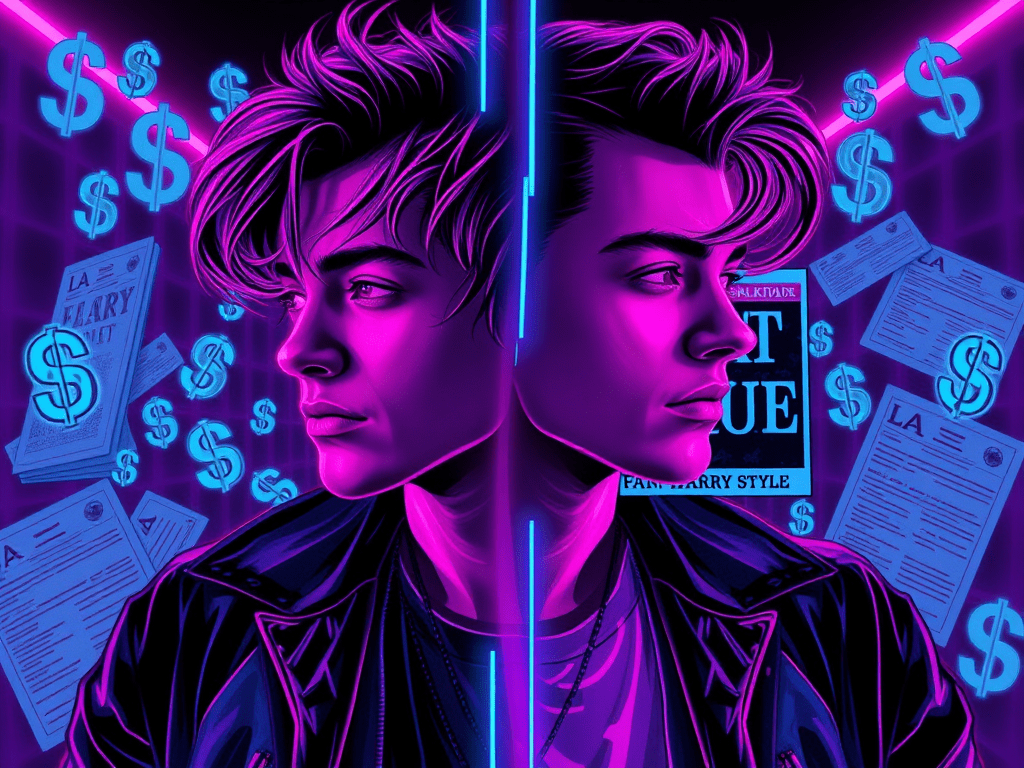
    A notable example of these complexities is Anna Todd’s After. It began as a One Direction fan fiction centered around Harry Styles. It ultimately became a bestselling novel and film franchise. The story’s rise to fame shows potential legal issues when portraying real-life celebrities in fictional narratives. These issues arise especially when portrayals are hypersexualized. They can be defamatory or otherwise harmful to their public image.

    Despite the First Amendment’s protections for creative expression, fan fiction that includes real people can face serious legal challenges. This occurs under copyright and right of publicity laws. The fair use doctrine allows for limited use of copyrighted content for purposes like criticism, commentary, and parody. However, these protections become less certain when fan fiction is monetized. They also become less certain when fan fiction involves real-life figures.

    Platforms like Wattpad and Tumblr host thriving fan fiction communities. They run under the assumption that user-generated content is protected under fair use. Nonetheless, as fan fiction evolves from casual storytelling to commercially successful works, the risk of infringement increases. In After, Harry Styles’ likeness is used without his consent. This raises critical questions about the boundaries of fair use. It also questions the right of publicity.

    The monetization of fan fiction is a particularly contentious area. Fan-created content is typically harmless when it remains free. Yet, creators may face legal repercussions once profit is involved. This happens because of unauthorized use of a celebrity’s persona. Todd’s adaptation of After into a profitable franchise set a precedent for fan fiction monetization. It also exposed the legal vulnerabilities linked to profiting from real-life likenesses.

    To address these challenges, a three-tiered guideline is proposed to delineate the boundaries of fan fiction more clearly:

    • Non-Commercial Fan Fiction: Content created purely for entertainment without monetization be protected under fair use. Nonetheless, it must not defame or misrepresent real individuals.
    • Commercial Fan Fiction: Works that generate income through sales, ads, or adaptations should include clear disclaimers. These disclaimers must state that they are fictional. They do not represent real-life actions or personalities of the individuals depicted.
    • Real-Life Portrayals: Fan fiction that uses the likeness of real people must undergo a thorough legal review. This review helps to avoid defamation. It also prevents right of publicity violations and privacy invasions.

    The evolving landscape of fan fiction underscores the need for clearer guidelines. These guidelines should protect creative expression and the rights of real-life individuals. By establishing more comprehensive policies, creators can continue to explore transformative storytelling while minimizing the risk of legal disputes.

  • 🚨 Blurring the Lines: Fan Fiction, Copyright, and Free Speech 🚨

    🚨 Blurring the Lines: Fan Fiction, Copyright, and Free Speech 🚨

    Fan fiction is more than just a fan’s creative outlet; it’s a complex intersection of copyright, fair use, and personal rights. In my recent legal policy paper, Blurring the Lines: Navigating Copyright, Fair Use, and Freedom of Expression in Fan Fiction, I explore the legal challenges of fan fiction. I also cover the ethical issues. I delve into the intricacies of copyright and fair use. I particularly focus on the transformative work After by Anna Todd. 📚💡

    • Copyright vs. Creative Expression: Examining how fan fiction can cross the line from homage to infringement. This is particularly concerning when real-life celebrities are depicted without consent.
    • Case Study – After by Anna Todd: A detailed analysis of how After started as a Harry Styles fan fiction. It evolved into a bestselling novel and film. The work potentially exploits real-life personas.
    • Fair Use Doctrine: How the fair use defense applies to fan fiction and its limitations when works are monetized.
    • Monetization and Legal Risks: Highlighting how platforms like Wattpad facilitate the publication of potentially infringing content. It also examines the ethical implications of profiting from fan-created works.
    • Recommendations for Clearer Guidelines: Proposing a three-tiered system. This system differentiates between non-commercial fan fiction, commercialized works, and portrayals of real-life individuals.
    Stay tuned for more insights. I will dive deeper into the ethical and legal dimensions of fan fiction. This exploration will also cover its impact on copyright law. 🔍✨

  • Navigating Privacy Settings on Facebook, Twitter, and YouTube

    Navigating Privacy Settings on Facebook, Twitter, and YouTube

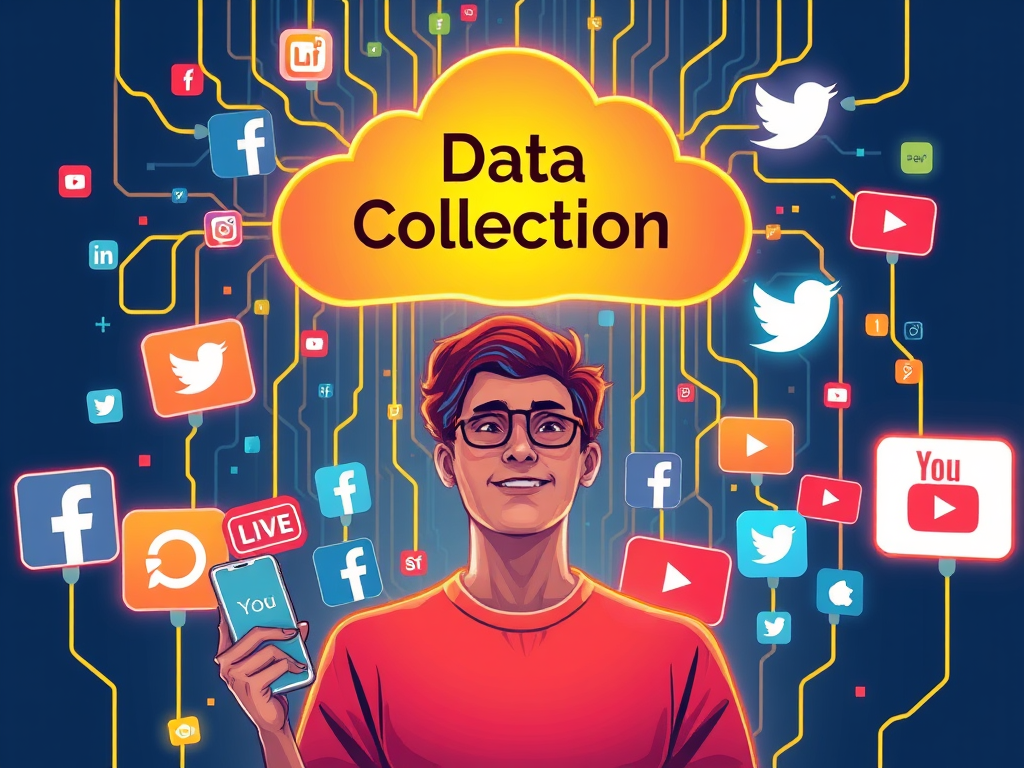
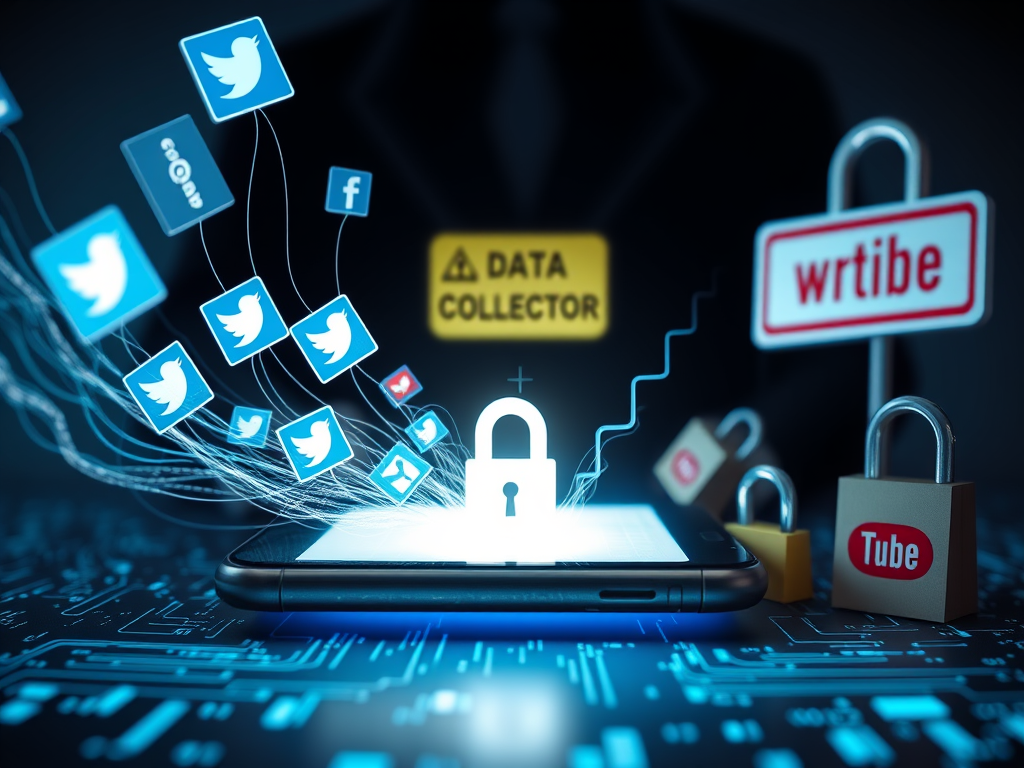
    Understanding the terms of service on popular platforms like Facebook, Twitter, and YouTube is crucial for protecting our privacy. When we click “agree,” we essentially give these platforms the go-ahead to collect, store, and sometimes share our personal information. For instance, Facebook is transparent about gathering data on our activities, locations, and devices to serve targeted ads (Meta, 2025). Similarly, Twitter collects details about our interactions, IP addresses, and browsing habits. These details can be used for personalized content recommendations. They can also be shared with third parties (Twitter, 2025). YouTube also tracks our viewing history and device information to tailor ads and suggestions (YouTube, 2025). By consenting to these terms, we invite these platforms to access a vast amount of our data.

    Fortunately, there are proactive steps we can take to safeguard our privacy! For example, disabling location services on Facebook can help prevent tracking and targeted ads. Setting up two-factor authentication adds an extra layer of security to our accounts. Limiting tweet visibility to followers-only on Twitter can keep our content more private and reduce the risk of data mining. YouTube users can allow a restricted mode to filter out inappropriate content, which is particularly handy on shared devices. These small changes empower us to manage our digital footprint better and reduce the chances of data misuse.

    It is essential to take charge of what we share online. Once something is posted, it can be tough to remove. It is accessible to anyone, from potential employers to hackers. Oversharing can lead to identity theft or unwanted attention. Being mindful of our privacy settings is crucial. Being selective about our posts can significantly help protect our personal information and online reputation.

    Moreover, the Federal Trade Commission (FTC) is committed to safeguarding our privacy rights. It enforces privacy laws aimed at preventing deceptive practices and promoting transparency (FTC, 2025). For instance, the Children’s Online Privacy Protection Act (COPPA) requires parental consent for data collected from children under 13. The FTC also investigates and holds companies accountable when they breach privacy policies, ensuring that consumer protection remains a priority.

    Let us stay informed and advocate for our privacy together!
  • Portfolio Post 4: Fake News and the Law

    Portfolio Post 4: Fake News and the Law

    In Discussion 3, we examined the high-profile defamation case between Dominion Voting Systems and Fox News. The case revolves around election fraud claims aired during the 2020 Presidential Election. Dominion asserts that Fox knowingly broadcast false allegations. These allegations claimed their voting machines were rigged to manipulate election results. The shows featured figures like Sidney Powell and Rudy Giuliani on shows like Lou Dobbs Tonight and Hannity. The case raises important questions about the fine line between press freedom and accountability. This issue is especially relevant when false claims can cause significant harm to businesses and individuals. Dominion’s case is compelling. There is evidence showing that Fox was repeatedly warned that these claims were baseless. Despite the warnings, they continued to air them. This demonstrates “actual malice,” a crucial element in defamation cases involving public figures. The outcome will have significant implications for the standards regarding the accountability of media outlets for false reporting.

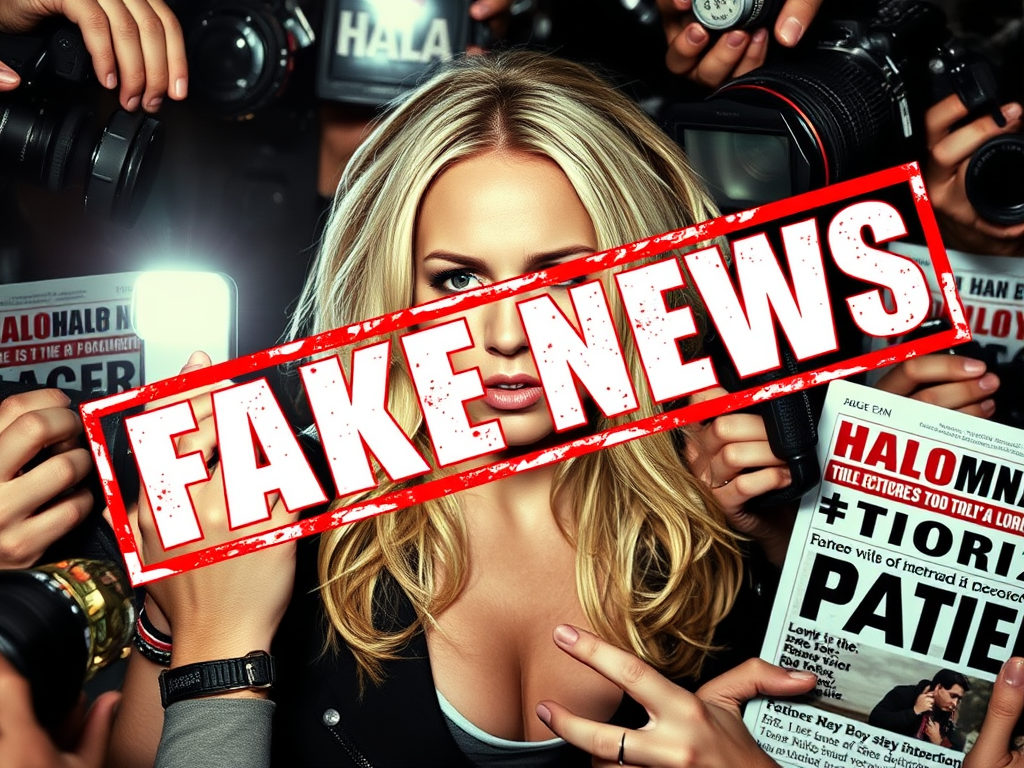
    The conversation also extended to fake news in celebrity culture, with Britney Spears as a prime example. During her public struggles in 2007-2008, the media were rife with exaggerated reports about her mental health. Many were often false. These reports fueled public scrutiny and damaged her reputation. This example underscores the broader implications of spreading unverified or sensationalized stories and how easily false narratives can become mainstream. The Dominion case and Spears’ experience show the powerful influence of media. They highlight the ongoing challenge of balancing press freedom with responsible reporting.

    In Discussion 4, the focus shifted to the privacy policies of platforms like Facebook, Twitter, and YouTube. By accepting terms of service agreements, users often unknowingly allow these platforms to collect, store, and share personal data. This includes browsing habits and location information (Meta, 2025; Twitter, 2025; YouTube, 2025). Users can mitigate privacy risks by adjusting their settings. They can restrict data sharing by disabling location services on Facebook. They can also turn on restricted mode on YouTube. Additionally, the Federal Trade Commission (FTC) enforces privacy laws. They prevent deceptive practices and guarantee transparency (FTC, 2025). The Children’s Online Privacy Protection Act (COPPA) has specific requirements. For example, data collection from children under 13 is restricted. This requires parental consent.

    These discussions highlight the ongoing challenges of maintaining credibility in media reporting and protecting personal privacy in the digital age. The Dominion case shows the stakes involved in defamation. Britney Spears’ media treatment is a cautionary tale about the harm caused by reckless reporting. Meanwhile, privacy policies on social platforms emphasize the importance of taking ownership of our digital presence. This is crucial given the widespread data collection practices allowed by terms of service agreements.

    Works Cited:

  • Portfolio Post 3: Discussion 1 and 2

    Portfolio Post 3: Discussion 1 and 2

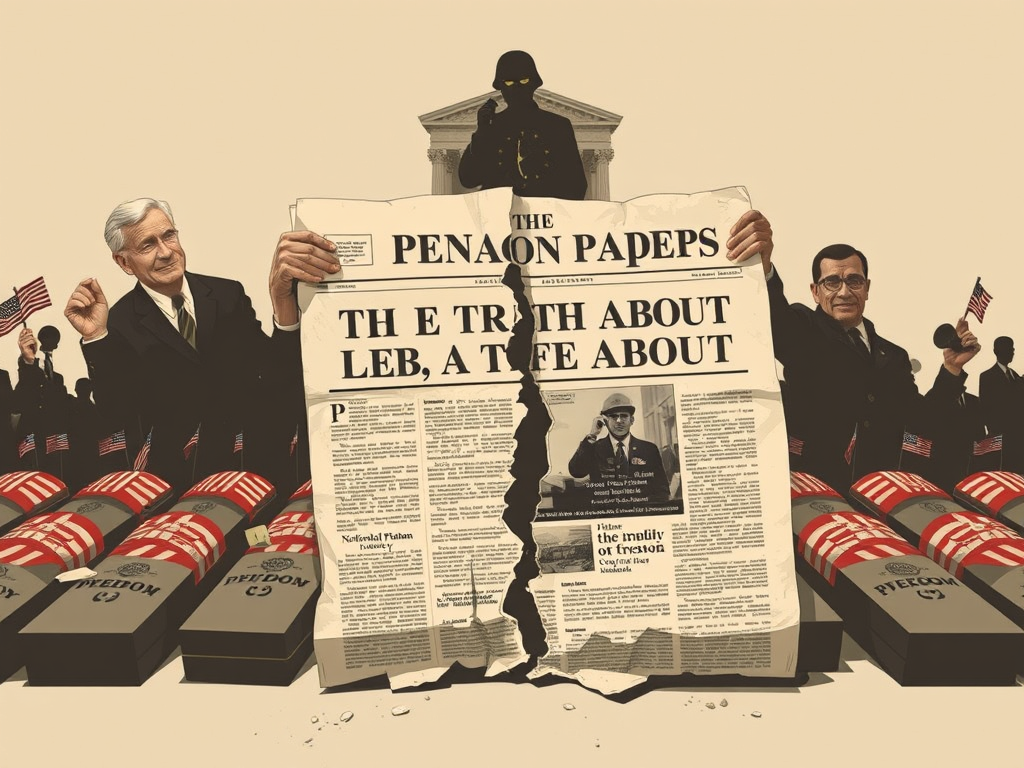
    For Discussion 1, we examined the Pentagon Papers, which were classified documents detailing the U.S. government’s involvement in the Vietnam War. The U.S. government sought to prevent The New York Times from publishing the papers. They also aimed to stop The Washington Post, claiming national security threats. The Court ruled against the prior restraint, emphasizing that the First Amendment protects the press from government censorship. I agreed with the Court’s decision. It reinforced the essential role of a free press. A free press holds the government accountable. Still, I also understood Justice Harlan’s dissent. He argued the Court acted too hastily. There was not enough time to review the material. Harlan raised valid concerns about national security. However, I believe the Court’s decision was necessary. It prevented setting a dangerous precedent of government censorship. The public had a right to know the truth about government actions during the war.

    For Discussion 2, I agreed with publishing the Pentagon Papers in 1971. The First Amendment protects the press’s right to inform the public. The documents exposed significant government lies about the Vietnam War. Concerning prior restraint, I supported the constitutional protection of the press but acknowledged exceptions. Broadcasting images of soldiers’ flag-draped coffins could be emotional. I don’t believe it would threaten national security. This holds unless there’s a specific reason to prevent it. For wounded soldiers, consent is crucial, and prior restraint should not be used if permission is given. The case for prior restraint becomes stronger with articles detailing response plans for terrorist attacks. It also strengthens with articles covering troop movements. These are situations where there are clear and immediate threats to public safety. Military operations also be at risk. National security must be considered. The press’s role in informing the public should generally take precedence. This is true as long as there’s no imminent danger.