
In Discussion 3, we examined the high-profile defamation case between Dominion Voting Systems and Fox News. The case revolves around election fraud claims aired during the 2020 Presidential Election. Dominion asserts that Fox knowingly broadcast false allegations. These allegations claimed their voting machines were rigged to manipulate election results. The shows featured figures like Sidney Powell and Rudy Giuliani on shows like Lou Dobbs Tonight and Hannity. The case raises important questions about the fine line between press freedom and accountability. This issue is especially relevant when false claims can cause significant harm to businesses and individuals. Dominion’s case is compelling. There is evidence showing that Fox was repeatedly warned that these claims were baseless. Despite the warnings, they continued to air them. This demonstrates “actual malice,” a crucial element in defamation cases involving public figures. The outcome will have significant implications for the standards regarding the accountability of media outlets for false reporting.
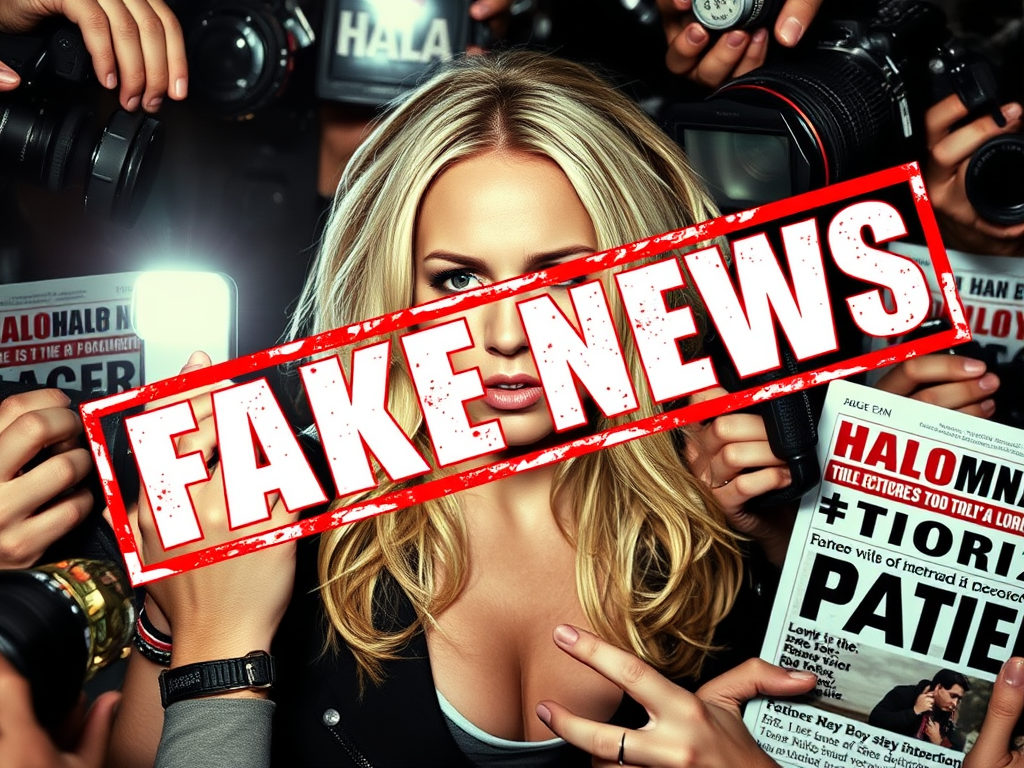
The conversation also extended to fake news in celebrity culture, with Britney Spears as a prime example. During her public struggles in 2007-2008, the media were rife with exaggerated reports about her mental health. Many were often false. These reports fueled public scrutiny and damaged her reputation. This example underscores the broader implications of spreading unverified or sensationalized stories and how easily false narratives can become mainstream. The Dominion case and Spears’ experience show the powerful influence of media. They highlight the ongoing challenge of balancing press freedom with responsible reporting.

In Discussion 4, the focus shifted to the privacy policies of platforms like Facebook, Twitter, and YouTube. By accepting terms of service agreements, users often unknowingly allow these platforms to collect, store, and share personal data. This includes browsing habits and location information (Meta, 2025; Twitter, 2025; YouTube, 2025). Users can mitigate privacy risks by adjusting their settings. They can restrict data sharing by disabling location services on Facebook. They can also turn on restricted mode on YouTube. Additionally, the Federal Trade Commission (FTC) enforces privacy laws. They prevent deceptive practices and guarantee transparency (FTC, 2025). The Children’s Online Privacy Protection Act (COPPA) has specific requirements. For example, data collection from children under 13 is restricted. This requires parental consent.

These discussions highlight the ongoing challenges of maintaining credibility in media reporting and protecting personal privacy in the digital age. The Dominion case shows the stakes involved in defamation. Britney Spears’ media treatment is a cautionary tale about the harm caused by reckless reporting. Meanwhile, privacy policies on social platforms emphasize the importance of taking ownership of our digital presence. This is crucial given the widespread data collection practices allowed by terms of service agreements.
Works Cited:
- Meta. “Privacy Policy.” Facebook, 2025, https://www.facebook.com/privacy
- Twitter. “Privacy Policy.” Twitter, 2025, https://www.twitter.com/privacy
- YouTube. “Privacy Policy.” YouTube, 2025, https://www.youtube.com/privacy
- Federal Trade Commission (FTC). “What We Do.” FTC, 2025, https://www.ftc.gov/news-events/media-resources/what-ftc-does
- Saylor, Donn. “A Complete History of Britney Spears’s 2007 Meltdown and How She Bounced Back.” Ranker, 22 Apr. 2024, https://www.ranker.com/list/britney-spears-breakdown-and-comeback/donn-saylor.
- Trager, Robert, Susan Dente Ross, and Amy Reynolds. The Law of Journalism and Mass Communication. 7th ed., Sage, 2020.
 COMM4310
Leave a comment